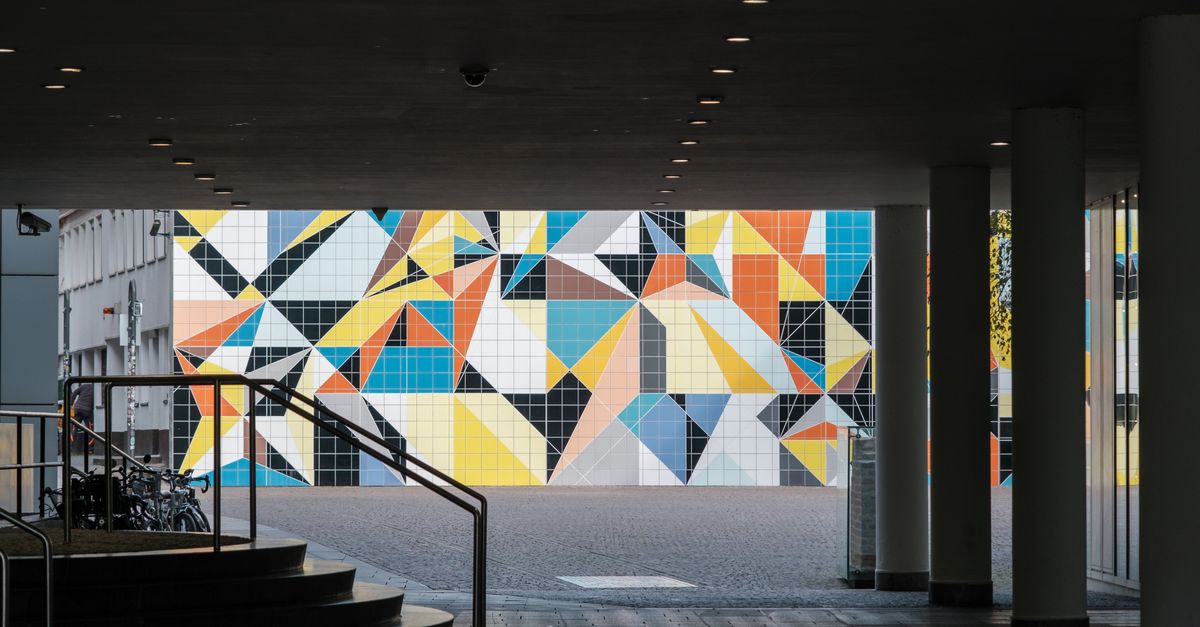
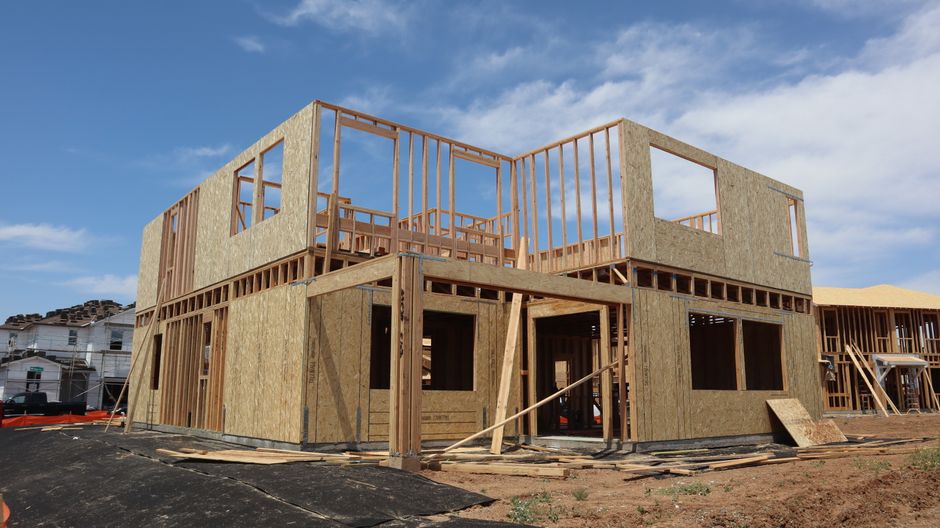
Before mixing pigment there is a stage that is not seen and that defines the rest: understanding what the space needs, who inhabits it and what is expected of the work. At Kimwilsonartist no piece moves forward without that prior back and forth, because a large-format painting or a mural cannot be corrected later like a file. We prefer to agree on more at the beginning than to improvise on the canvas.
The inquiry arrives through the contact form and there we define what type of work it is: an original work, a limited-edition reproduction, a mural, a workshop or a brand collaboration. Depending on the case, we ask for wall measurements, photos of the environment, viewing height and an idea of the light coming through the openings. With that we put together a proposal for scope and materials, without promising deadlines we cannot sustain.
This is where the issues that usually determine the result are adjusted: proportion, palette, type of fabric or surface, and how the work will be hung or installed. In murals we review access, scaffolding, and work schedules at the site. In mixed technique we verify how the materials behave over time. None of this is resolved from memory: it is checked against the specific space.
During production we document progress with images and brief notes, so that whoever commissioned the piece can follow the process without having to visit the studio. This record also serves as a memory of the work: what was decided, what was discarded, and why. It is not a commercial report, it is the real traceability of the work being made.
If something does not work, it is corrected before the piece is considered finished. In painting, that can mean going back over an area with glazes; in a mural, touching up a section before sealing; in a limited edition, adjusting the color proof before printing the run. Adjustments are agreed with the person who commissioned the work and are recorded alongside the rest of the process.
Delivery is coordinated according to the type of work: pickup at the studio, shipping within Argentina, or on-site installation when the project requires it. We deliver the piece with its basic care instructions and, if applicable, with the edition numbering. We do not issue certifications or guarantees that are not backed by a prior agreement; what does remain is the complete record of the work carried out.
This outline describes how the studio works in general terms. Each commission has its own conditions, which are discussed before starting. To start an inquiry about artworks, murals, workshops, or collaborations, write to us at hello@kimwilsonartist.com or call us at +54 11 4900-1624. You can also use the form on the contact page.
An example case, without a client name, that lays out the usual journey between the first conversation and the finished wall. It helps explain what gets decided before touching the wall and why order matters as much as color.
The setting is an interior space in daily use, with a large wall that receives natural light for much of the day and already has furniture with simple lines. The request is not for a hung painting, but for an intervention that engages in dialogue with the architecture. This is a sample job, not a documented project: there is no client name, no real measurements, and no dates. The only thing that stays fixed is the method.
First, the dimensions of the wall are taken and the viewing heights are recorded: where the eye sits when entering, when seated, when moving through. It is also observed from which side the light enters and how it changes between morning and afternoon. That information defines which areas of the mural will read as dense and which need to breathe. Without this step, any sketch is a guess.
There are limits that are not negotiable: openings, power outlets, moldings, and the furniture that stays where it is. The palette is adjusted to the tones that already live in the environment so that the work integrates instead of competing. If the wall receives direct sunlight, certain pigments behave differently, and that is taken into account from the sketch stage, not afterward.
The work progresses in layers, with glazes that overlap until depth is achieved. The gesture is left visible on purpose: the aim is not a polished surface, but for the hand to show. In a mural, that logic is carried over to architectural scale, taking care that the work is discovered in parts as one moves through the space and not all at once.
The expected closing is a wall that stopped being a neutral surface and took on color with intention, integrated into the place where it stands. It is not a measurable before and after, nor a guaranteed result: each space responds differently. What does hold is the process, and that process is what can be discussed before starting.
Every commission, whether a large-format painting, a mural, or a numbered edition, passes through the same hands and follows a path that repeats with few variations. There are no teams separated by discipline: the studio works as a single body that receives, plans, executes, and reviews. What follows describes that internal path, without names or individual roles, because what matters is how the criteria are sustained from beginning to end.
It all begins when an inquiry arrives with the minimum information: what type of work is of interest, for what space, with what approximate dimensions, and at what time it is needed. At this stage nothing is promised yet. The full request is read, gaps are identified, and notes are made of what needs to be asked before moving forward.
Output: a written summary of the request and a list of specific questions to resolve with the person consulting.
With the context clear, the approach is defined: proportions, palette, type of support and, in the case of murals, the relationship between the work and the architecture of the place. Materials are chosen and the work is ordered in stages, leaving room for adjustments because a painting built in layers is never resolved in a single pass.
Output: a work proposal with criteria for color, format and execution sequence.
The work is built on raw canvas or on the wall, layering glazes, gestures and, when appropriate, torn paper and fillers that add relief. Each layer is left to settle before deciding the next, because color changes depending on how it accumulates and on the light the surface receives.
Output: the piece in progress, with a record of the progress and the adjustments made along the way.
Before a piece is considered finished, it is viewed under different conditions: up close, from a distance, in natural light, and in artificial light. Edges, transitions, and areas where the pigment ended up denser or more transparent than intended are reviewed. If something does not hold up, it is corrected; a work is never delivered with open doubts.
Output: an explicit decision to close or to rework specific areas.
Once the work is closed, it is prepared for its destination: appropriate packaging if it travels, installation instructions if it is mounted on a wall, and a sheet with the piece's details. A record is also kept of how the project was resolved, so that any later inquiry has a concrete reference and does not depend on memory.
Output: the delivered work together with its technical sheet and care and installation instructions.
This process is repeated with the same care both for a limited edition and for a large-scale mural. If you would like to tell us about your case, you can email us at hello@kimwilsonartist.com or call us at +54 11 4900-1624, and from the studio we will reply with the questions needed to get started.
Every project begins by understanding the space and the use the work will have. These are the most common paths: from an original piece to a collaboration with a brand. There is no single format, but there is an order of conversation that helps define dimensions, support, and timelines.
Inquiries are made through the contact form. Tell us what you are looking for and the team will pick up the thread with the necessary questions before moving forward.

Large-format abstract paintings built in layers on raw canvas, with glazes and visible gestures. They are chosen according to wall width, viewing height, and the light coming through the openings, because the work reads differently throughout the day. It is best to define the wall first and then the size.
Inquire about an original work
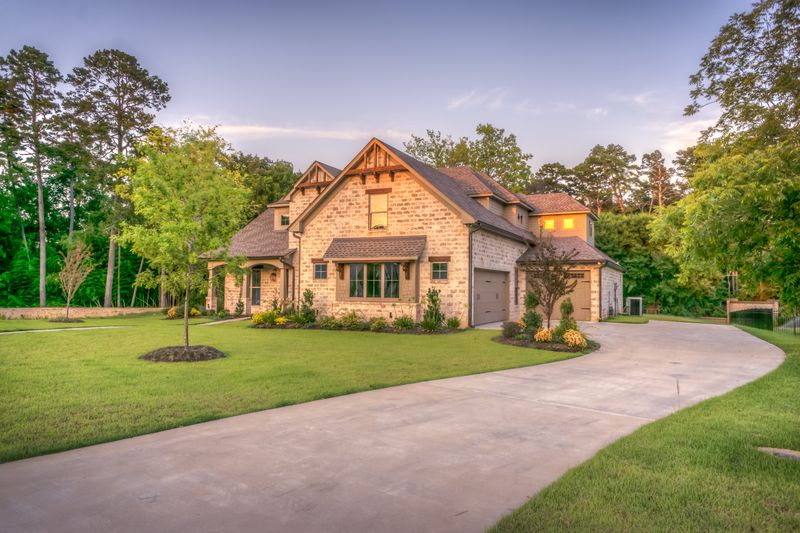
Short, numbered runs, with paper selection and color fidelity as a central part of the work. It is the way to bring a piece from the studio into smaller spaces or to start a collection without the original format. Check the availability of each edition before reserving.
View available editions
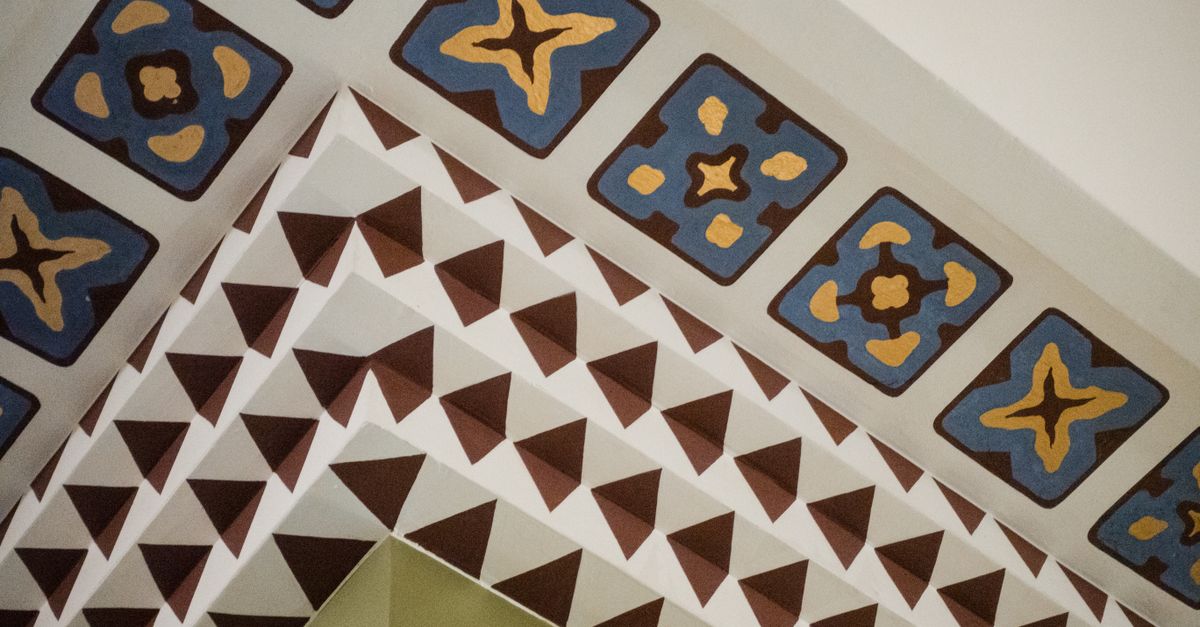
Interior and facade murals designed from the actual dimensions and the movement paths of those who inhabit the space. The work is discovered in parts, so the sketch considers how it looks from each point. To move forward, photos of the wall and an idea of how the space will be used are needed.
Plan a mural

Work with decor and lifestyle brands that translate the pictorial language into textiles, papers, and everyday surfaces. Palettes and compositions are adapted while ensuring the work remains recognizable. It also covers creative workshops and participation in in-person exhibitions.
View collaboration linesKimwilsonartist's work is organized into five areas that share the same language: color built in layers, visible gestures, and genuine attention to the light of the place where the work will live. Below is the detail of each one, what type of space or project it suits, and the next step if you want to move forward.
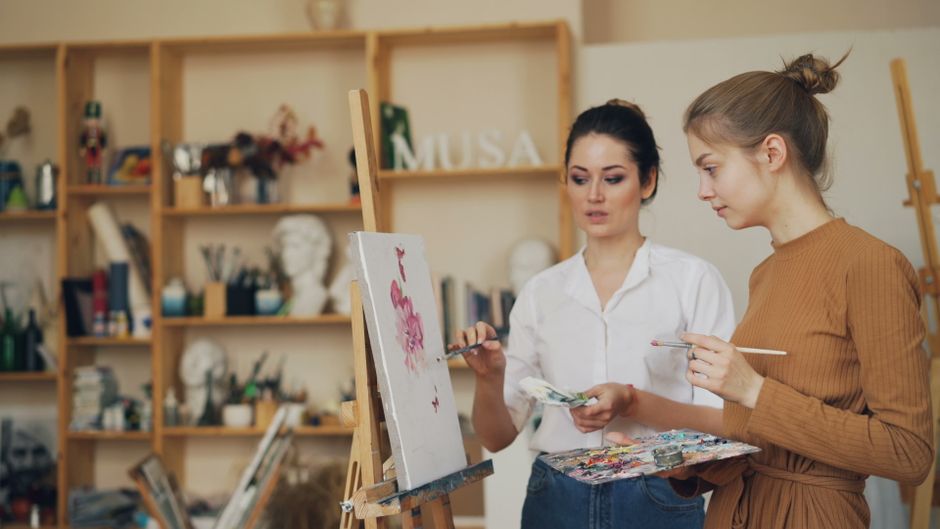
One-of-a-kind pieces designed for feature walls, entryways, or living rooms with clean-lined furniture. They are built up in layers on raw canvas, with glazes that read differently depending on the natural or artificial light in the room. They are a good fit when you are looking for a work that holds the space on its own, without competing with the rest of the decor.
See the approach to the paintings
Projects designed around the actual wall dimensions, sightline heights, and the light coming through the openings. Before painting, the movement of the people who live in the space is studied, because the work is discovered in stages. It is the right option for shops, offices, stairwells, and facades that are currently a neutral surface.
Share dimensions and location
Pieces that combine torn paper, texture paste, and pigment on the support to add relief and a tactile quality. They have rough areas and others that are almost translucent, so they are best appreciated up close, in hallways, studies, or reading nooks. They work well for anyone who wants to move beyond a flat surface without going to an enormous format.
Explore the mixed-media technique
Short, numbered runs, with paper selection and color fidelity as a central part of the work. They are a gateway into collecting and also a practical way to rotate art at home according to the season. A good starting point if the original format does not fit the available space.
See how the editions are produced
Joint projects with decor and lifestyle brands that translate the studio's language into textiles, papers, and everyday surfaces. Palettes and compositions are adapted while making sure the work remains recognizable and does not end up as a simple print. Coordination is handled directly with the brand's team.
Propose a collaborationFor creative workshops and the in-person exhibition schedule, details are coordinated through the contact form. There are no online bookings or payments: each inquiry is answered personally according to the type of work or project.
This site uses cookies to remember your preferences and improve the browsing experience. You can accept or reject their use; your choice will be saved in this browser. More information in our privacy policy.